The transition from managing a single-family rental to overseeing a multi-family apartment building is a profound shift in scale, complexity, and financial responsibility. For many property owners, the realization hits early: what works for a standalone house simply does not scale when you have dozens of residents living under one shared roof structure. A single plumbing leak can damage three separate units vertically, a single structural issue can threaten your entire operational license, and tenant complaints can compound exponentially if left unchecked.
Leveling Up Interior Durability and Aesthetics
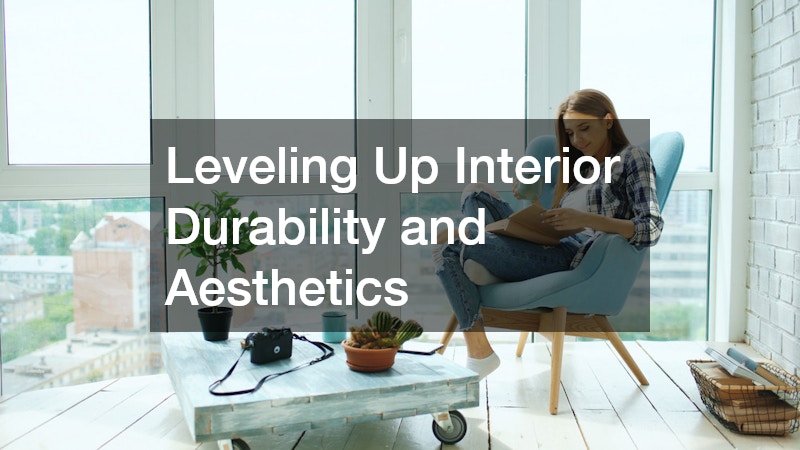
When managing multi-family properties, interior finishes must be viewed through a lens of maximum durability. High tenant turnover can quickly destroy standard residential materials, leading to astronomical expenses during the make-ready process between leases. By selecting materials engineered specifically for high-traffic environments, you drastically cut down on your long-term capital expenditures.
The wear and tear inflicted on an apartment during a typical tenancy is vastly different from that of an owner-occupied home. Heavy furniture is dragged across rooms during move-in and move-out days, pets scratch at doorways, and children inevitably test the limits of wall coatings and cabinetry. If your units are outfitted with flimsy, builder-grade materials, the cost of labor and materials to patch, repair, or replace those finishes every twelve to twenty-four months will completely erode your rental yield. True profitability in property management is found by upfronting capital into commercial-spec interiors that can survive multiple lease cycles with nothing more than a deep clean.
Beyond the sheer financial aspect of maintenance, interior durability plays a direct role in your marketing strategy and vacancy rates. Modern renters are highly discerning; they are looking for modern, clean aesthetics that feel premium rather than cheap or institutional. Striking the balance between an attractive, contemporary aesthetic and industrial-grade resilience is the ultimate goal. When a prospective tenant walks into a unit and sees finishes that look pristine, it sets a psychological standard for how they are expected to treat the space, while simultaneously justifying a higher monthly rent tier.
Choose High-Traffic Flooring That Mimics Luxury
Wall-to-wall carpeting was once the standard for apartment interiors, primarily because of its low initial installation cost and sound-dampening qualities. However, carpet traps odors, stains easily, and typically needs to be replaced every few years when a tenant moves out. Modern property managers are aggressively shifting toward Luxury Vinyl Plank or engineered hardwood options. These materials give the premium, upscale look that modern renters are willing to pay more for, while offering near-indestructible resistance to scratches, spills, and heavy foot traffic.
When upgrading your building’s units, it pays to build long-term relationships with regional floor companies rather than buying retail materials from big-box home improvement stores. Establishing a commercial account allows you to secure volume discounts on bulk material orders, ensuring that you always have matching planks on hand for quick spot repairs. Professional commercial installers can also ensure that proper acoustic underlayments are installed beneath the hard flooring, which is vital for preventing footsteps from echoing into the units below and creating noise complaints.
Furthermore, opting for a hard-surface floor totally transforms the turnover workflow. Instead of scheduling specialized carpet cleaning crews who require hours of drying time—which can push back a new tenant’s move-in date—your team can simply sweep and damp-mop the space in a fraction of the time. If a specific section of a luxury vinyl floor does happen to suffer severe damage from a dropped heavy object, a maintenance technician can simply pop out the damaged planks and click new ones into place, completely avoiding the need to replace the entire room’s flooring.
Protect Units from Pests and Weather Elements
An apartment unit’s living space should feel secure, well-insulated, and completely protected from outdoor elements. One of the most common friction points between tenants and management involves the infiltration of pests, pollen, and drafts through balconies and patios. Investing in heavy-duty finishes for these transition zones keeps your residents happy and lowers your overall turn costs.
-
Install heavy-duty patio screens on all sliding doors and ground-floor enclosures to allow tenants to enjoy fresh air without letting flying insects or debris into the living spaces.
-
Inspect window tracks, weather stripping, and sliding door alignments during every routine property walkthrough to catch warping before it ruins a unit’s insulation.
-
Apply commercial-grade silicone sealants along exterior thresholds to prevent heavy wind-driven rain from seeping under door frames and warping interior subfloors.
Maximizing resilience in these perimeter areas also requires focusing on the hardware and entry systems. High-quality brass or stainless steel latches, heavy-duty sliding tracks, and reinforced locking mechanisms prevent the sagging and misalignment that commonly plagues cheap patio setups after a few seasons of rough use. When a sliding door or screen glides smoothly on its track, tenants are less likely to force it, reducing accidental breakage and keeping your maintenance queue clear of irritating, repetitive service requests.
Upgrade Walls and Cabinetry for Long-Term Resilience
The vertical surfaces of an apartment bear the brunt of daily life, yet they are often overlooked during initial renovations. Standard flat paint and particleboard cabinetry might look acceptable on day one, but they quickly degrade under the stresses of regular tenant occupancy, leading to extensive drywall patching and cabinet replacements during turns.
-
Utilize scuff-resistant, washable paint finishes like eggshell or semi-gloss in main living areas, and reserve high-gloss paints for baseboards and trim where vacuum cleaners frequently strike.
-
Specify solid wood or high-density fiberboard cabinet doors with heavy-duty hidden hinges and soft-close mechanisms that prevent slamming and structural warping.
-
Install durable metal corner guards or reinforced drywall bead in high-traffic hallways and tight entryways where moving boxes and furniture are most likely to gouge the walls.
By addressing walls and cabinetry with the same rigorous standard applied to your floors, you create an interior envelope that resists the typical signs of aging. Instead of spending hours mudding, sanding, and repainting entire walls during a tenant transition, your maintenance crew can simply wipe down the surfaces with a mild detergent. This rapid turnaround capability directly minimizes your days of vacancy, allowing you to get a paying resident into the unit quickly while keeping your material costs down.
Maximizing Energy Efficiency and Reducing Utility Overhead
Utility costs represent one of the largest fluctuating line items on an apartment building’s balance sheet. Whether your building operates on a single master meter where you cover the utilities, or units are individually metered, reducing overall energy consumption directly improves your property’s net operating income and long-term asset valuation.
Transition to Renewable Energy Systems
Energy costs continue to climb globally, making sustainability initiatives a matter of fiscal survival rather than just public relations. Multi-family buildings are uniquely positioned to take advantage of large, flat roof expanses by capturing solar energy. Transitioning even a portion of your property’s power grid to renewable sources protects your business from sudden spikes in local utility rates.
Partnering with an experienced, commercial-scale solar company allows you to conduct an accurate shading analysis and structural load assessment of your property. By deploying solar arrays on your roof or over covered parking structures, you can generate clean electricity to power common area liabilities. Hallway lighting, leasing offices, community laundry rooms, elevators, and outdoor security systems can all run off captured solar energy, significantly lowering your monthly operating overhead and instantly increasing the market value of your real estate asset.
Maintain Climate Control Systems Rigorously
Heating, ventilation, and air conditioning systems are the mechanical heart of your apartment building. When these systems fail, the consequences are immediate: emergency service calls are highly expensive, and tenants’ legal rights regarding habitable living conditions come into play. A rigorous preventative maintenance schedule is your best defense against system degradation.
-
Implement a strict quarterly schedule for replacing air filters across all individual units and common spaces to maintain optimal airflow and protect compressor motors.
-
Schedule professional coil cleanings every spring and fall to maximize heat transfer efficiency and lower the overall electrical pull of your cooling units.
-
Know when to manage a system in-house and when to bring in a certified specialist for commercial HVAC repair to diagnose failing compressors, ductwork leaks, or variable refrigerant flow issues before they cause a total system blackout.
Prioritizing Tenant Safety and Environmental Compliance
Owning and operating an apartment building brings substantial legal and ethical obligations regarding resident safety. Neglecting environmental regulations or failing to maintain basic life-safety infrastructure can expose your management company to catastrophic liability lawsuits, city fines, and structural condemnation.
Modernize Life-Safety and Suppression Systems
A basic, battery-operated smoke detector inside an apartment unit is no longer sufficient for comprehensive risk management. Modern multi-family properties require integrated, building-wide networks that communicate hazards instantly across the entire infrastructure to prevent localized accidents from turning into widespread tragedies.
You must source, map, and regularly verify all fire protection equipment throughout the property, including central alarm panels, hardwired smoke path systems, wet and dry sprinkler lines, and clearly marked hallway extinguishers. Annual certifications by licensed inspectors are mandatory in almost every jurisdiction, but your in-house maintenance staff should also perform monthly visual checks to ensure that pull stations are unobstructed, pressure gauges are in the green zone, and emergency exit signs are fully illuminated. Keeping detailed logs of these internal checks provides an invaluable paper trail if an incident ever occurs.
Safely Manage Hidden Property Liabilities
Many apartment buildings, especially historic properties or conversions, carry hidden environmental risks that can lie dormant for decades before surfacing as major financial headaches. Identifying these risks early allows you to remediate them safely on your own terms, rather than dealing with an emergency environmental crisis.
-
Conduct historical property assessments to locate any abandoned underground oil tanks that may have been used for heating in previous decades, as these tanks can rust and contaminate groundwater.
-
Develop a strict, immediate response protocol for water intrusion to stop mold spores from developing in drywall cavities and causing building-wide health issues.
-
Retain a licensed team for hazardous waste removal whenever your maintenance staff uncovers localized lead paint, legacy asbestos floor tiles, or chemical canisters abandoned by past tenants in storage units.
Securing the Building Envelope and Common Areas
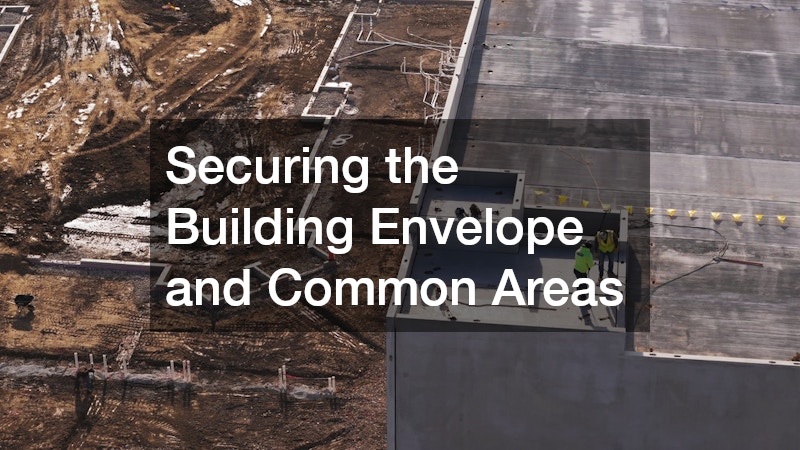
The building envelope is your property’s primary shield against weather, moisture, and structural wear. If the exterior shell of your apartment building is compromised, every interior upgrade you make will eventually be ruined by water intrusion and environmental exposure.
Invest in Long-Term Structural Roofing Solutions
Flat and low-slope roofs are incredibly common in multi-family architecture, but they are highly susceptible to ponding water, UV degradation, and seam failures. Because a single roof leak can cause rolling damage to multiple apartment units directly beneath it, investing in premium roofing systems is one of the smartest capital deployments you can make.
Managing a large asset requires a deep understanding of commercial roofing technologies, such as thermoplastic polyolefin or ethylene propylene diene monomer membranes, which offer superior puncture resistance and thermal reflectivity. For buildings with sloped features or architectural accents, integrating sections of metal roofing can provide an incredibly durable, low-maintenance solution that lasts for half a century while easily shedding heavy snow and resisting high wind loads. Regular inspections should focus heavily on clear drainage pathways, scuppers, and parapet flashing to ensure water never has the opportunity to pool and seep into the structure.
Streamline Property Access and Parking Garage Maintenance
The tenant experience begins the moment a resident drives onto your property or pulls into their assigned parking space. Secured garages, controlled-access gates, and community entry points must operate flawlessly to maintain a feeling of exclusivity and safety while protecting the physical property from unauthorized access.
-
Keep all perimeter fencing and security lighting free of overgrown vegetation to maintain clear lines of sight for your security cameras and roaming staff.
-
Establish a preventative maintenance contract for your garage door services to ensure that heavy-traffic automated roll-up gates are lubricated, balanced, and tracking correctly.
-
Clean parking surfaces and drainage grates semi-annually to prevent oil buildup from degrading the asphalt or causing slip-and-fall hazards for residents walking to their vehicles.
Running a successful apartment building is an exercise in managing details at scale. The physical structure demands constant vigilance, the financial framework requires sharp operational discipline, and the human element requires clear communication and consistent safety standards. When you treat your property as an interconnected system—where high-durability interior finishes protect your turn budgets, proactive mechanical servicing cuts utility waste, and strict environmental compliance insulates you from legal liability—you create an asset that naturally appreciates over time.