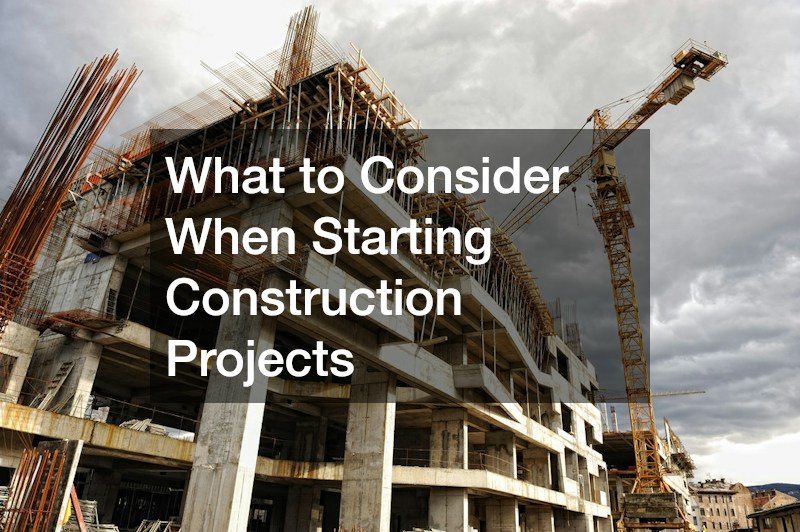
Starting a major commercial or industrial construction project is an ambitious undertaking that requires rigorous planning, comprehensive resource management, and strategic execution. Whether you are developing a new corporate headquarters, expanding a manufacturing facility, or building a retail complex, the groundwork laid before breaking ground often determines the long-term success of the entire enterprise. From initial site evaluation and budgeting to regulatory compliance and site logistics, every phase of pre-construction demands meticulous attention to detail. Stakeholders must balance budget constraints, timeline expectations, workforce coordination, and environmental regulations to ensure a seamless build process.
In the fast-paced construction industry, overlooking early planning phases can lead to compounding costs, safety violations, and extended project delays. A well-structured operational framework helps developers, project managers, and business owners mitigate operational risks while optimizing efficiency. By systematically evaluating site readiness, regulatory obligations, supply chain strategies, site sanitation, and security infrastructure, project leaders can establish a strong foundation. This guide explores the critical components every project team must evaluate prior to initiating construction, ensuring that projects remain on time, within budget, and compliant with all local and federal regulations.
Comprehensive Site Assessment and Feasibility
Conduct Thorough Environmental and Topographical Surveys
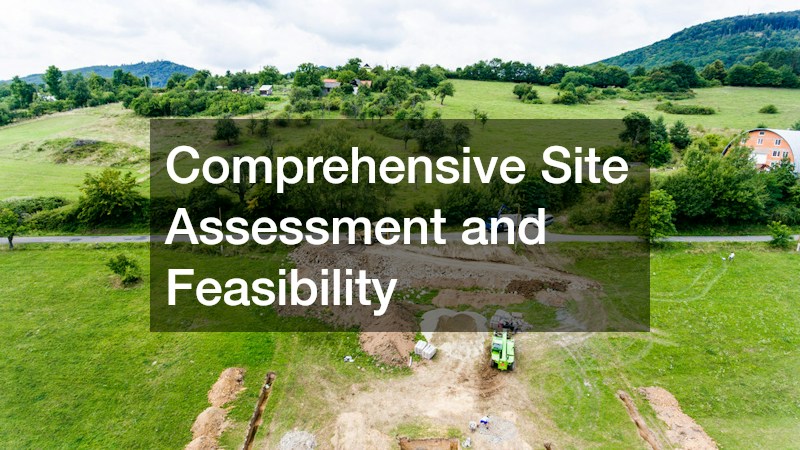
Before executing contract agreements or ordering materials, performing an exhaustive analysis of the land is essential. Geotechnical studies identify soil composition, water table depth, and load-bearing capacity, which directly influence foundation design and structural engineering costs. Additionally, environmental assessments help discover potential soil contamination or protected wildlife habitats that could delay permits. Understanding ground conditions early prevents costly engineering revisions during excavation and ensures structural stability for decades.
Verify Zoning Regulations and Permit Requirements
Navigating municipal zoning laws and obtaining necessary permits must occur well before site clearance begins. Local building codes dictate building heights, setback requirements, parking ratios, and land usage restrictions. Failing to secure the appropriate building, environmental, and utility connection permits can lead to immediate stop-work orders and significant fines. Business leaders should work closely with experienced municipal liaisons to streamline the permit approval process and align structural plans with local zoning ordinances.
Analyze Local Utility Infrastructure and Site Utility Connections
Confirming the availability, capacity, and proximity of essential municipal utilities is critical prior to initiating site development. Early evaluations must confirm sufficient water pressure, sewage line capacity, natural gas access, and high-voltage electrical grid support. If the existing public infrastructure lacks the capacity to serve your facility, developers must budget for infrastructure upgrades or private utility expansions. Mapping existing underground utility lines prevents catastrophic strikes during grading and foundation excavation.
Financial Planning and Budget Optimization
Establish Detailed Cost Estimates and Contingency Reserves
Accurate financial modeling is the cornerstone of successful construction execution. A comprehensive budget should outline direct expenses, such as land acquisition, structural materials, labor costs, and heavy equipment, alongside indirect costs like legal fees, insurance, and architectural design. Because unexpected inflation, site anomalies, or design modifications frequently arise, building a contingency reserve of ten to fifteen percent is vital. Maintaining a dynamic budget framework allows project managers to absorb minor financial disruptions without compromising overall project scope or structural quality.
Evaluate Risk Mitigation and Insurance Coverage
Construction sites are dynamic environments with inherent financial and physical risks. Obtaining robust insurance policies tailored to the specific parameters of the project protects owners and general contractors against unforeseen liabilities. Builder’s risk insurance covers property damage during construction, while commercial general liability guards against third-party injuries or property claims. Furthermore, workers’ compensation coverage ensures employee protection while minimizing corporate liability. Reviewing coverage limits and policy exclusions with risk specialists ensures full protection against operational setbacks.
Establish Clear Cash Flow Schedules and Payment Milestones
Cash flow disruptions can stall a construction project just as quickly as material shortages or labor disputes. Developing a structured payment schedule tied to verifiable completion milestones keeps capital flowing smoothly between owners, general contractors, and sub-trades. Timely processing of draw requests, lien waivers, and invoice approvals builds trust across project teams. Maintaining transparent financial oversight prevents payment delays that might otherwise slow construction velocity or lead to contractor mechanics liens.
Regulatory and Accessibility Standards

Integrate Universal Accessibility from Initial Design
Modern commercial properties must accommodate all individuals safely and equitably, making accessibility a core design requirement rather than an afterthought. Designing accessible entrances, ramps, doorways, elevators, and restrooms ensures full compliance with federal and state accessibility standards. Engaging a certified ADA compliance contractor early in the architectural planning phase helps identify potential design flaws before construction begins, preventing costly retrofits or legal disputes after project completion.
Maintain Strict Safety and Environmental Compliance
Adhering to Occupational Safety and Health Administration regulations safeguards field personnel and maintains high standards of workplace safety. Implementing mandatory safety protocols, personal protective equipment requirements, and continuous site hazard evaluations reduces on-site accidents. Simultaneously, environmental standards require strict adherence to erosion control measures, stormwater runoff management, and noise abatement guidelines, keeping the project aligned with municipal ecological mandates.
Prepare Emergency Action Plans and Incident Response Protocols
Safety management extends beyond daily precautions to include clear protocols for extreme weather, structural emergencies, and medical incidents. Developing comprehensive emergency response plans ensures all site personnel know exact evacuation routes, emergency contact structures, and medical staging locations. Establishing clear emergency procedures minimizes panic during unforeseen crisis events, protects human life, and satisfies municipal safety code requirements.
Procurement and Supply Chain Management

Source High-Quality Materials and Vendor Partnerships
A smooth construction timeline relies heavily on a dependable supply chain for structural elements, hardware, tools, and finishing products. Establishing strong relationships with reputable vendors guarantees timely deliveries and reduces the risk of project slowdowns caused by backordered components. Securing trade discounts and verifying supplier reliability allows builders to procure premium construction supplies efficiently, ensuring that site teams have uninterrupted access to essential materials throughout every building phase.
Schedule Equipment Leasing and Maintenance Protocols
Modern construction projects rely on specialized machinery ranging from excavators and cranes to scaffolding and power generators. Deciding whether to lease or purchase machinery depends on project duration, capital flexibility, and long-term utility goals. Partnering with a professional provider of construction equipment services guarantees access to well-maintained, heavy-duty machinery tailored to specific job site demands, while eliminating the long-term overhead costs associated with equipment depreciation and fleet maintenance.
Formulate Material Delivery Schedules and Storage Logistics
Managing site delivery logistics prevents bottlenecking at access gates and avoids material degradation due to exposure to adverse weather. Staging areas must be organized logically so that high-volume materials arrive only when needed for installation. Implementing a lean inventory process minimizes site clutter, lowers the risk of material theft or weather damage, and keeps work areas clear for machinery movement and daily operations.
Waste Management and Site Sanitation
Deploy Efficient Waste Collection Infrastructure
Sustained construction activity generates significant amounts of debris, including concrete rubble, metal scraps, packaging, and wood waste. Leaving waste unmanaged creates severe safety hazards, impedes site mobility, and increases project costs. Strategically positioning heavy-duty construction dumpsters across the job site ensures continuous debris removal, maintains general site cleanliness, and helps workers maintain a safe, organized, and productive working environment throughout every construction phase.
Implement Sustainable Recycling Practices
Environmental responsibility is increasingly important in modern commercial construction. Implementing organized waste management plans that prioritize sorting and recycling materials diverts tons of debris from municipal landfills. Utilizing professional construction recycling services enables site managers to recycle concrete, rebar, cardboard, and timber efficiently, often qualifying the project for environmental certifications like LEED while significantly reducing overall disposal fees.
Plan On-Site Hygiene and Sanitation Facilities
Providing adequate sanitation facilities is crucial for maintaining worker health, morale, and compliance with workplace welfare standards. The ratio of sanitation units to site personnel must account for peak workforce levels, multi-shift schedules, and site geographic footprint. Arranging reliable porta potty rentals with routine servicing schedules ensures clean, hygienic, and convenient facilities for workers, directly supporting daily productivity and health standards across the entire construction site.
Security Infrastructure and Asset Protection
Establish Perimeter Control and Access Restrictions
Construction sites contain valuable tools, building materials, and heavy machinery, making them prime targets for theft, vandalism, and unauthorized entry. Securing the job site perimeter is the first line of defense in asset protection. Coordinating a professional security fence installation around the entire property boundary creates a clear physical barrier, regulates site access points, and protects the general public from unintentionally entering hazardous construction zones.
Deploy Surveillance and Patrol Protocols
Beyond physical barriers, modern job sites require comprehensive surveillance solutions to monitor site activity around the clock. Installing continuous closed-circuit television cameras, motion sensors, and floodlighting deters potential intruders and provides verifiable evidence if incidents occur. Engaging commercial construction security services provides active monitoring, scheduled guard patrols, and immediate emergency response protocols, ensuring that high-value equipment and building materials remain fully protected during non-working hours.
Implement Strict Inventory Tracking and Asset Controls
Safeguarding job site assets requires strict inventory control procedures alongside physical perimeter security. Logging tools, machinery, and raw material deliveries into a centralized digital registry helps managers track asset movement across different job zones. Requiring sign-out protocols for high-value equipment creates individual accountability, discourages internal theft, and provides precise visibility into material usage rates across all phases of the project.
Labor Force and Stakeholder Management
Align Skilled Labor with Trade Requirements
Executing complex commercial builds demands a highly qualified, dependable, and experienced workforce spanning multiple specialized trades. Whether working with non-union contractors or managing field construction unions, maintaining clear labor agreements and transparent communication channels ensures harmonious workplace operations. Proper labor planning prevents trade overlap, mitigates scheduling bottlenecks, and maintains high standards of workmanship across framing, electrical, plumbing, and finishing tasks.
Leverage Comprehensive Project Oversight
Supervising a multi-faceted construction project requires centralized leadership capable of unifying architects, engineers, subcontractors, and investors toward a shared goal. Utilizing professional commercial construction management services provides project owners with end-to-end management, covering schedule tracking, budget oversight, subcontractor coordination, and quality control. Experienced management teams resolve operational friction quickly, keeping large-scale projects on schedule and within financial parameters.
Coordinate Inter-Trade Scheduling and Sequence Planning
Managing overlapping sub-trades requires precise sequence planning to prevent workers from interfering with each other’s work zones. Structuring realistic daily and weekly work sequences ensures that rough-in trades, such as plumbing and electrical framing, complete their work before insulation and drywall crews arrive. Proactive sequence planning reduces worker downtime, eliminates redundant labor costs, and maintains steady forward progress across all active work zones.
Operational Logistics and Communication
Establish Daily Communication Standards
Seamless communication among project managers, general contractors, sub-trades, and site supervisors is essential for avoiding misunderstandings and costly rework. Utilizing cloud-based project management software allows real-time updates regarding design revisions, material deliveries, and schedule shifts. Daily safety briefings and weekly coordination meetings keep all site personnel aligned on immediate milestones, safety protocols, and operational priorities.
Optimize Traffic Control and Delivery Schedules
Large commercial construction sites generate heavy vehicle traffic, including material delivery trucks, concrete mixers, and heavy equipment transports. Developing a structured traffic management plan minimizes disruption to local roadways and surrounding businesses. Designating dedicated loading zones, establishing delivery time windows, and coordinating traffic flaggers ensures safe, organized vehicle movements on and off the construction site.
Technology Integration and Future-Proofing
Incorporate Building Information Modeling (BIM) for Spatial Coordination
Modern commercial construction relies heavily on advanced digital modeling to resolve design conflicts before ground is broken. Implementing Building Information Modeling (BIM) allows architects, structural engineers, and MEP (mechanical, electrical, plumbing) contractors to collaborate within a single 3D environment. This proactive spatial coordination detects trade collisions early, dramatically minimizes field change orders, and streamlines the pre-fabrication process for critical building components.
Adopt Smart Jobsite Monitoring and IoT Sensors
Integrating Internet of Things (IoT) sensors across the job site offers real-time visibility into environmental parameters, structural curing times, and equipment performance. Wireless concrete maturity sensors accelerate formwork removal by delivering precise strength readouts directly to mobile devices. Meanwhile, environmental monitors track ambient dust, noise levels, and moisture accumulation in real time, ensuring strict adherence to environmental mandates and preserving site integrity throughout every building phase.
Launching a commercial construction project requires a balance of strategic foresight, accurate budgeting, regulatory compliance, and active site management. By addressing site feasibility, regulatory standards, vendor relationships, waste management, site security, and workforce coordination early, business leaders build a solid framework for operational success. Thorough pre-construction planning minimizes unexpected delays, reduces safety risks, and protects financial investments. Ultimately, meticulous preparation transforms complex architectural concepts into durable, safe, and commercially successful physical structures.