Running a business involves juggling countless responsibilities, from managing staff and operations to keeping up with regulatory compliance and ensuring the safety and efficiency of your workplace. Business owners often find themselves reacting to problems as they arise, which can lead to missed opportunities, higher expenses, or even serious legal or safety issues. The most successful business owners are proactive, continuously evaluating their operations, and looking for areas where improvements can be made. Taking the time to systematically assess your business can prevent problems before they occur, protect your investment, and position your company for sustainable growth.
While daily operations often demand immediate attention, strategic oversight in key areas is what separates a thriving business from one that is merely surviving. Every decision, whether it involves safety protocols, equipment upgrades, or insurance coverage, has long-term consequences. Understanding where your business might have gaps and how to address them can save significant resources, improve employee morale, and enhance customer satisfaction. This guide explores ten critical areas every business owner should examine carefully. Each section provides practical, actionable guidance designed to help you make informed decisions that strengthen your business.
Ensure Your Workplace Meets Safety Standards
Ensuring workplace safety is a cornerstone of responsible business management. Employee well-being should always be a top priority, not just because it is a legal requirement, but because a safe environment fosters productivity and morale. One of the most effective ways to maintain safety standards is through comprehensive OSHA training programs. Providing consistent and thorough training helps employees recognize hazards, follow proper procedures, and reduce the risk of accidents. A proactive approach to safety also demonstrates to staff that their health is valued, which can increase engagement and loyalty.
Conducting regular safety audits is another crucial component of maintaining a safe workplace. These audits identify potential hazards before they lead to accidents, allowing you to address issues quickly. It is also wise to create a system for employees to report safety concerns confidentially, ensuring that problems are caught early. Beyond compliance, investing in training and safety oversight can reduce liability, lower insurance premiums, and prevent costly interruptions caused by workplace injuries. Business owners who take proactive steps in this area not only protect their workforce but also safeguard the company’s reputation and financial stability.
Protect Your Property with Reliable Fire Safety Systems
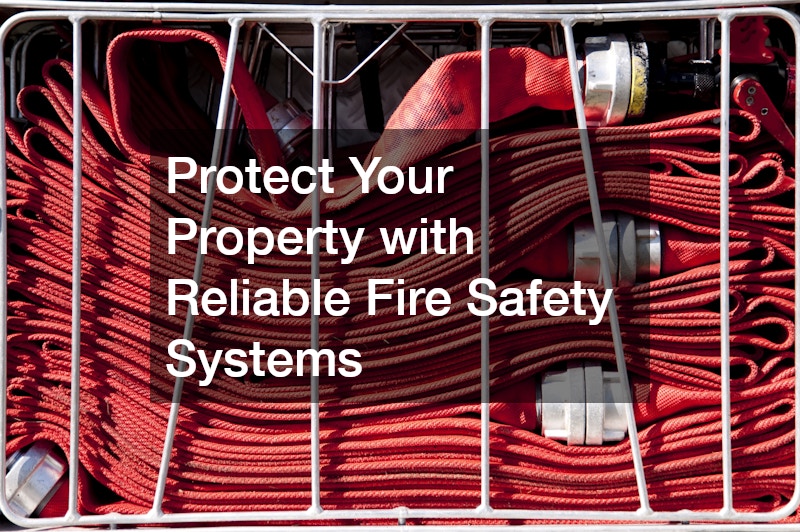
Fire safety is a critical consideration for any business, regardless of industry. Properly maintained fire sprinklers and alarm systems are essential for protecting your property, employees, and customers. Working with experienced fire sprinkler companies ensures that your systems are up to code and functioning correctly. These professionals can conduct inspections, identify potential issues, and provide timely repairs or upgrades. A well-maintained fire suppression system minimizes the risk of catastrophic damage and demonstrates compliance with safety regulations.
Regular testing and maintenance of fire safety equipment is as important as the initial installation. Business owners should develop a schedule to ensure all systems are operational and that employees know how to respond in case of an emergency. In addition to protecting lives and property, having a reliable fire safety system can positively impact insurance rates. Insurance providers often offer incentives for businesses that maintain up-to-date fire suppression systems, recognizing that these companies are better prepared to mitigate potential losses.
Maintain Your Facility’s Structural Integrity
The physical condition of your facility directly affects both operational efficiency and employee safety. Commercial roofing experts play a vital role in ensuring that your building’s roof is in top condition. Regular inspections and timely repairs prevent leaks, structural damage, and costly replacements in the future. Even minor roofing issues can escalate if ignored, potentially disrupting business operations and creating hazards for staff and clients. Hiring certified professionals for maintenance ensures that work is done correctly and in compliance with local building codes.
Electrical safety is another critical aspect of facility maintenance. Employing a licensed electrician for regular inspections helps prevent fires, equipment failures, and unplanned downtime. Faulty wiring or outdated electrical systems can pose significant risks, especially in environments that rely on heavy machinery or digital infrastructure. Documenting all inspections and repairs not only supports compliance with regulations but also provides a valuable record for insurance purposes. Business owners who prioritize structural integrity and electrical safety protect both their employees and the long-term viability of their operations.
Improve Energy Efficiency and Comfort

Enhancing energy efficiency is an often-overlooked strategy for improving operational performance and employee satisfaction. Commercial window tinting is a practical and effective solution for reducing energy costs and improving interior comfort. Window tinting minimizes heat gain during the summer, protects furnishings and inventory from UV damage, and reduces glare that can interfere with productivity. Beyond environmental benefits, improving comfort contributes to a more pleasant working environment, which can positively impact employee morale and focus.
Combining window tinting with other energy efficiency measures, such as upgraded HVAC systems or smart lighting, can further reduce utility expenses. Energy-conscious improvements often provide a tangible return on investment by lowering operating costs over time. Moreover, businesses that implement energy-saving strategies may qualify for government incentives or rebates, adding additional financial benefits. A focus on efficiency and comfort is not only good for the bottom line but also demonstrates a commitment to sustainability and employee well-being.
Upgrade Your Equipment and Fleet Strategically
Investing in equipment and vehicle upgrades can enhance productivity and reduce downtime for many businesses. Vehicle upgrade services allow companies to maintain fleets that operate efficiently, meet safety standards, and represent the brand professionally. Whether it involves replacing aging vehicles, improving fuel efficiency, or adding advanced technology, strategic upgrades can have a significant impact on operations. Assessing the performance of existing equipment and vehicles regularly ensures that investments are made where they provide the greatest benefit.
When planning upgrades, it is essential to balance cost considerations with long-term value. Upgrades should address operational bottlenecks, improve safety, and support business growth. Monitoring performance improvements after making changes helps validate the return on investment and informs future decisions. Business owners who take a proactive approach to upgrading vehicles and equipment avoid unnecessary maintenance costs and operational disruptions while positioning their companies for sustained efficiency and success.
Plan for Environmental and Regulatory Compliance
Maintaining compliance with environmental and regulatory standards is critical, especially for businesses operating in manufacturing, laboratory, or testing environments. Environmental chamber calibration is a key component of ensuring that equipment operates within prescribed parameters. Routine calibration maintains accuracy, meets regulatory requirements, and ensures the quality of products or services. Neglecting these measures can lead to fines, failed inspections, or compromised outcomes, which can damage both reputation and revenue.
Investing in staff training for proper handling and maintenance of calibrated equipment further strengthens compliance. Documenting calibration schedules and results provides a reliable record for audits and inspections. Proactive attention to regulatory standards protects businesses from penalties and legal disputes while ensuring that operational processes remain efficient and reliable. Business owners who prioritize compliance are better prepared to adapt to evolving regulations and maintain high standards across all aspects of their operations.
Prepare for Unexpected Costs and Emergencies
Every business faces the possibility of unexpected expenses, from equipment failures to natural disasters. Partnering with a reliable insurance agency ensures that your business is adequately covered for a wide range of risks. Regularly reviewing your insurance policies allows you to confirm that coverage aligns with the current needs of your operations, including liability, property, and business interruption protection. Consulting with professionals helps identify potential gaps and prevents costly surprises.
Being proactive in risk management also involves understanding the processes for filing claims and accessing emergency support. Keeping clear records of assets, inventories, and previous claims streamlines the process and reduces delays. Businesses that actively manage risk are better equipped to withstand disruptions and maintain operational continuity. Taking the time to evaluate insurance needs regularly helps business owners make informed decisions that protect both financial stability and long-term sustainability.
Manage Waste and Logistics Efficiently
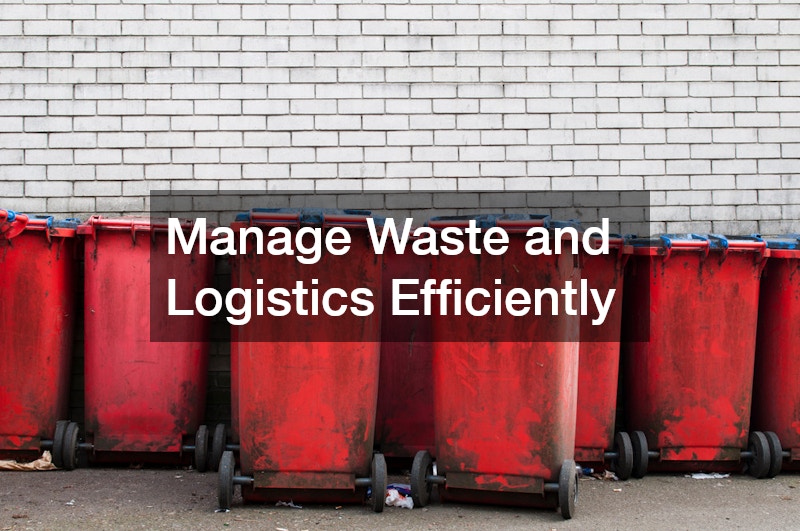
Effective waste management is essential for maintaining operational efficiency and regulatory compliance. Dumpster rental services provide businesses with flexible options for handling both routine and temporary waste disposal needs. Proper management of waste ensures a safe, organized, and hygienic environment, which is crucial for employee productivity and customer impressions. Selecting a reliable service provider helps prevent issues related to overfilled containers, missed pickups, or non-compliance with disposal regulations.
Environmentally responsible disposal practices, including recycling and proper handling of hazardous materials, further enhance operational sustainability. Efficient logistics and waste management not only reduce environmental impact but also save costs by optimizing space and preventing unnecessary handling fees. Business owners who actively manage waste demonstrate responsibility and foresight while creating a cleaner, safer, and more efficient workplace.
Keep Vertical Transport Systems in Top Shape
Elevators and other vertical transport systems are essential for many businesses, particularly those operating in multi-story buildings. Regular elevator repairs and maintenance are crucial for safety and operational continuity. Timely inspections by certified technicians prevent malfunctions, reduce downtime, and ensure compliance with safety codes. A malfunctioning elevator can disrupt daily operations, inconvenience customers, and expose the business to liability risks.
Documenting service schedules and repairs provides a clear record for audits and insurance purposes. Preventive maintenance reduces long-term costs by addressing issues before they escalate into major repairs. Business owners who prioritize elevator maintenance not only safeguard the safety of employees and clients but also preserve the smooth flow of operations. Ensuring vertical transport systems are reliable reflects a commitment to both safety and efficiency in every aspect of the workplace.
Evaluate Technology and Process Improvements
Ongoing evaluation of business processes and technology is key to maintaining competitiveness and operational efficiency. Reviewing systems regularly allows business owners to identify inefficiencies, redundancies, or opportunities for automation. Upgrading technology can improve productivity, reduce errors, and enhance customer experiences. Whether through software updates, workflow automation, or infrastructure improvements, strategic upgrades support long-term growth and operational resilience. Staying informed about emerging technologies in your industry can reveal new tools that streamline operations or provide a competitive advantage. Encouraging employee feedback on processes and technology can also uncover hidden inefficiencies and practical improvement opportunities.
Conducting a cost-benefit analysis before implementing major changes ensures that investments deliver tangible returns. Engaging with professional consultants, including commercial roofing experts or licensed electricians when relevant, ensures that technical aspects of upgrades are executed safely and efficiently. Businesses that continually assess and improve processes are better positioned to adapt to market changes, optimize resources, and sustain growth over time. Additionally, integrating new technologies should be accompanied by proper training to ensure staff can effectively leverage tools, maximizing their impact and minimizing resistance to change. Proactive process evaluation ultimately fosters a culture of continuous improvement, innovation, and operational excellence.
Running a successful business requires constant attention to a wide range of operational, regulatory, and strategic factors. From ensuring workplace safety to maintaining infrastructure, managing waste, upgrading equipment, and evaluating processes, proactive oversight is essential. By addressing these ten critical areas, business owners can reduce risks, prevent costly disruptions, and improve overall efficiency and employee satisfaction. Taking a comprehensive approach to safety, compliance, and operational management ensures long-term stability and growth. Equally important is fostering a culture of accountability and continuous learning, where employees understand the value of procedures and participate actively in improving operations.
Consulting qualified professionals, whether for fire safety, electrical systems, vehicle upgrades, or regulatory compliance, helps businesses execute improvements effectively and safely. Documenting inspections, repairs, training sessions, and insurance coverage strengthens operational transparency and supports future audits or claims. Being proactive in evaluating these key areas also demonstrates responsibility to employees, customers, and stakeholders, fostering trust and confidence in the business. A commitment to continuous improvement, careful planning, and strategic investment positions a business to thrive despite challenges. Additionally, regularly reviewing business metrics and performance data allows owners to make informed decisions, anticipate potential issues, and capitalize on opportunities before they become critical. Ultimately, business owners who dedicate attention to these critical factors create a safer, more efficient, and resilient organization prepared for sustainable success in an increasingly competitive marketplace. By staying informed and addressing these priorities, you safeguard your business’s future and ensure that your operations run smoothly, efficiently, and responsibly in every aspect, providing a strong foundation for long-term growth and profitability.